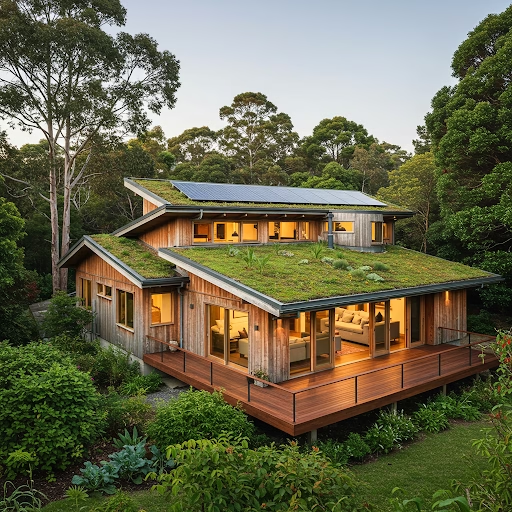
Sustainable living is evolving, and regenerative home design is leading the way. Unlike conventional green building, regenerative design goes beyond reducing harm—it actively restores and enhances the environment. By integrating sustainable materials, energy-efficient systems, and closed-loop solutions, homeowners can create spaces that not only benefit them but also contribute positively to the planet.
Sustainable Materials for a Healthier Home
Choosing eco-friendly materials is a cornerstone of regenerative design. Instead of resource-intensive options, materials like reclaimed wood, bamboo, and recycled metal offer durability while reducing environmental impact. Non-toxic, natural paints and finishes improve indoor air quality, making homes safer and healthier. Additionally, bio-based insulation materials, such as wool or hemp, provide superior thermal performance without harmful chemicals.
Energy Efficiency and Renewable Power
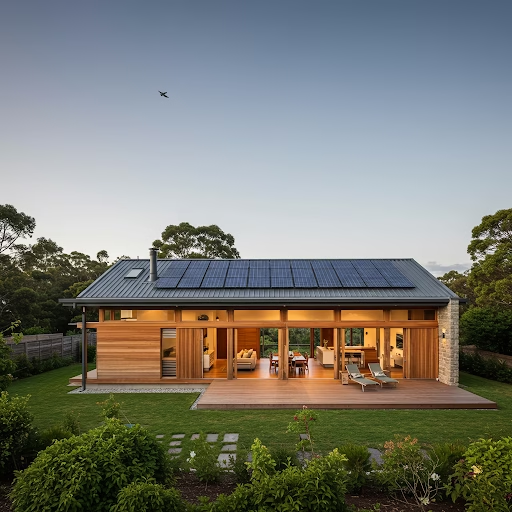
A key aspect of regenerative homes is reducing energy consumption. Smart home technologies, such as automated lighting and energy-efficient appliances, minimize waste while enhancing convenience. Solar panels, wind turbines, and geothermal heating further reduce dependence on fossil fuels. Passive design principles, including strategic window placement and thermal mass materials, optimize natural light and temperature regulation, cutting down on electricity usage.
Closed-Loop Water and Waste Systems
Water conservation is essential in regenerative home design. Rainwater harvesting systems collect and filter water for reuse in irrigation, flushing, and even drinking. Greywater recycling repurposes household wastewater for non-potable uses, reducing overall consumption. Composting toilets and on-site waste management transform organic waste into valuable compost, closing the loop on household waste.
A Future-Proof Approach to Living
By prioritizing sustainability, regenerative home design offers a long-term solution to environmental challenges. It not only enhances comfort and efficiency but also promotes self-sufficiency and resilience. As more homeowners embrace these principles, the future of housing will shift toward a more harmonious relationship with nature.
📖 Want to learn more? Explore innovative regenerative home solutions at Regenerative Design Institute.