
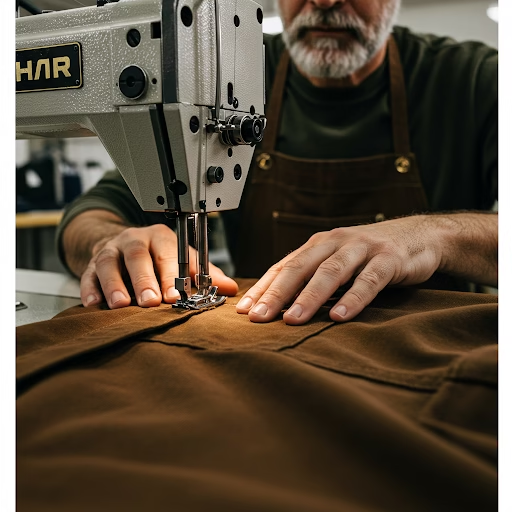
The fashion and textile industries are among the largest contributors to environmental pollution, generating massive amounts of waste, carbon emissions, and water pollution. However, sustainable textile production is emerging as a powerful solution to reduce the industry’s ecological footprint. By adopting eco-friendly materials, ethical manufacturing processes, and waste-reducing technologies, textile producers can create fabrics that have a minimal impact on the planet.
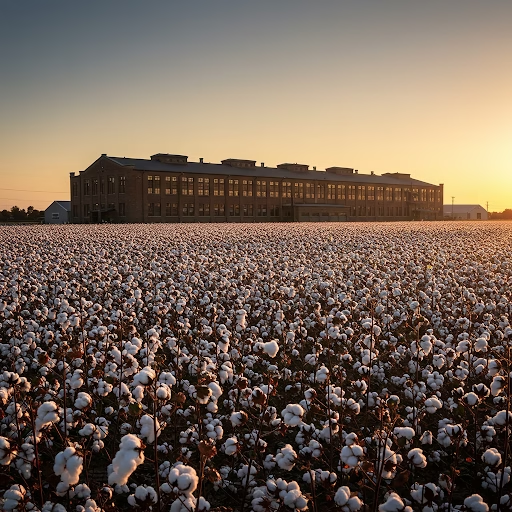
Eco-Friendly Materials: A Shift Toward Sustainability
One of the key elements of sustainable textile production is the use of environmentally responsible materials. Traditional fabrics like polyester and conventional cotton require extensive water, energy, and chemicals to produce. Sustainable alternatives include:
- Organic Cotton: Grown without synthetic pesticides or fertilizers, reducing soil and water contamination.
- Hemp & Linen: Naturally resilient crops that require less water and no pesticides.
- Tencel & Bamboo: Made from fast-growing plants using closed-loop production, meaning minimal waste and chemical impact.
- Recycled Fabrics: Repurposing plastic bottles and old textiles into new fibers, cutting down waste.
Also Read: Personalized Renewable Energy Solutions: Tailoring Green Power
Ethical and Low-Impact Production Processes
Sustainable textile production extends beyond raw materials. Ethical manufacturing ensures that the entire process is environmentally and socially responsible. Key practices include:
- Water Conservation: Utilizing waterless dyeing techniques and closed-loop water recycling systems to reduce water pollution.
- Energy Efficiency: Implementing renewable energy sources in production facilities to cut down carbon emissions.
- Fair Labor Practices: Ensuring workers are paid fair wages and operate in safe conditions, supporting ethical production.
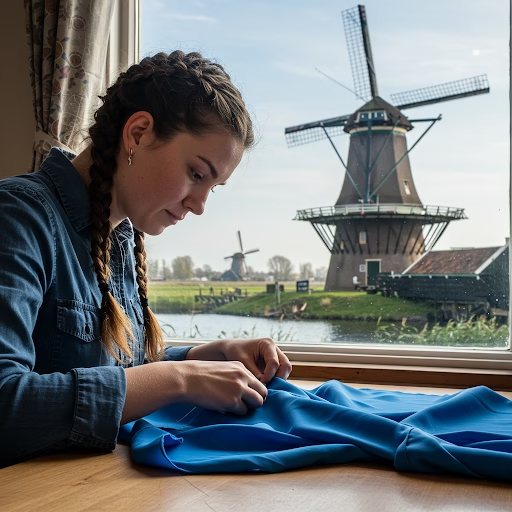
Reducing Waste Through Circular Fashion
The textile industry generates millions of tons of waste annually. A circular fashion approach minimizes waste through:
- Upcycling & Recycling: Repurposing old garments into new textiles instead of discarding them.
- Biodegradable Fabrics: Designing textiles that naturally decompose, reducing landfill pollution.
- Slow Fashion Movement: Encouraging durable, high-quality clothing that lasts longer, reducing the need for frequent replacements.
Also Read: Complete Guide to Textile Manufacturing
Sustainable textile production is more than a trend—it’s a necessary shift to protect our planet. By choosing eco-friendly fabrics and supporting ethical brands, consumers can contribute to a greener future.


