Introduction
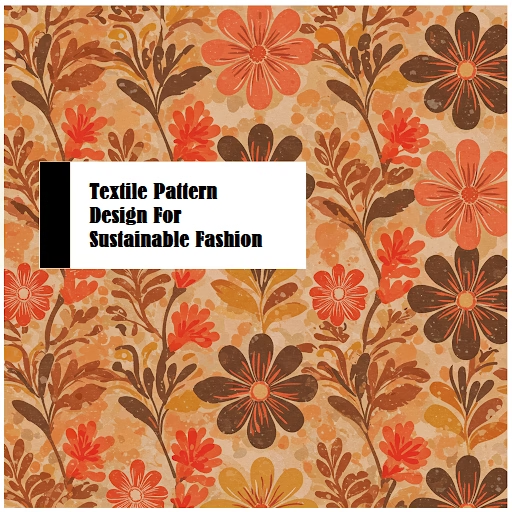
The fashion industry is undergoing a major transformation as sustainability becomes a top priority. One of the key aspects of sustainable fashion is textile pattern design, which can influence not just aesthetics but also environmental impact. By using eco-friendly materials, ethical production methods, and innovative design strategies, fashion designers can create textiles that are both visually appealing and kind to the planet.
Why Sustainable Textile Patterns Matter
- Reduces Environmental Impact: Thoughtfully designed patterns can minimize waste in fabric cutting and production.
- Encourages Slow Fashion: Unique, high-quality patterns promote long-lasting garments rather than fast fashion trends.
- Aligns with Consumer Values: More consumers are prioritizing eco-friendly fashion choices.
- Supports Ethical Production: Sustainable pattern design often involves ethical sourcing and fair labor practices.
Key Principles of Sustainable Textile Pattern Design
1. Using Eco-Friendly Materials
- Organic Cotton & Hemp: Grown without harmful pesticides, reducing soil degradation.
- Recycled Fabrics: Repurposing existing textiles helps reduce landfill waste.
- Plant-Based Dyes: Avoiding synthetic chemicals minimizes water pollution.
2. Zero-Waste Pattern Design
- Efficient Layouts: Creating patterns that fit perfectly on fabric reduces offcuts.
- Modular Designs: Patterns that can be adjusted for different garments ensure minimal waste.
- Upcycling Scraps: Small fabric remnants can be used creatively for embellishments.
3. Digital & Ethical Printing Techniques
- Waterless Digital Printing: Uses significantly less water compared to traditional dyeing methods.
- Natural Pigment Printing: Sustainable alternatives to chemical dyes.
- Handcrafted Textile Art: Block printing, embroidery, and other handcraft techniques ensure uniqueness and ethical production.
4. Biodegradable & Regenerative Textiles
- Mycelium & Algae-Based Fabrics: Emerging materials that naturally decompose.
- Closed-Loop Production Systems: Ensuring that textiles return to nature safely after use.
- Minimal Chemical Treatments: Avoiding toxic finishes that harm ecosystems.
The Role of Technology in Sustainable Textile Design
- AI & Algorithmic Patterns: AI-generated patterns optimize material usage.
- 3D Fabric Simulation: Reduces the need for physical samples, cutting down waste.
- Blockchain for Transparency: Ensuring ethical sourcing and sustainable practices through digital tracking.
Future of Sustainable Textile Pattern Design
As the demand for sustainable fashion grows, textile pattern designers play a crucial role in shaping a greener industry. By blending innovation, ethical practices, and creativity, designers can develop patterns that are not only beautiful but also contribute to a more sustainable future.
Conclusion
Sustainable textile pattern design is more than just a trend—it’s a movement toward a more responsible and conscious fashion industry. By incorporating eco-friendly materials, zero-waste techniques, ethical production, and innovative technology, designers can make a meaningful impact while creating timeless, stylish textiles.
Also Read: Ethical Branding