
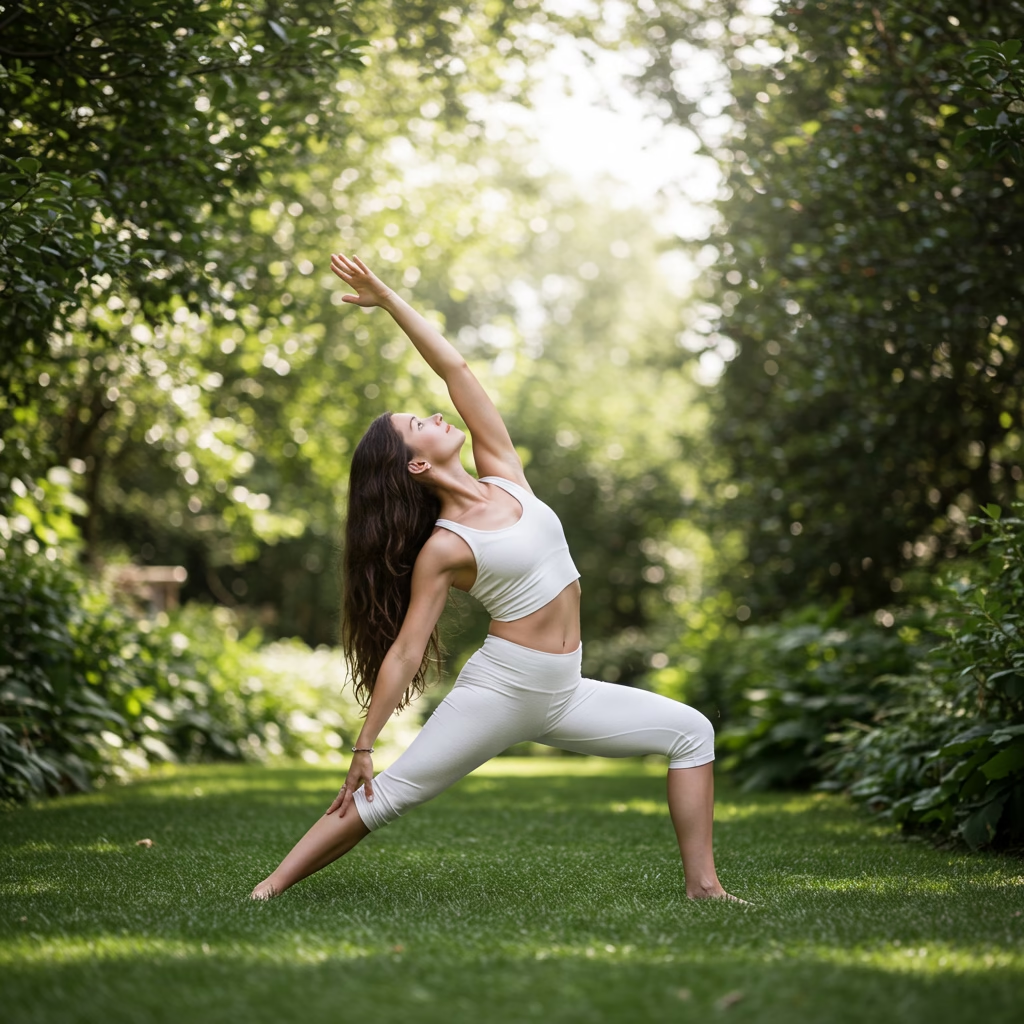
Chronic pelvic pain can be physically and emotionally exhausting, affecting daily life, mobility, and mental well-being. While medical treatments and therapies exist, movement therapy offers a holistic, non-invasive approach to alleviating discomfort. By incorporating gentle exercises, mindful movement, and body awareness techniques, individuals can release tension, improve circulation, and retrain the nervous system to manage pain more effectively.
1. Understanding the Role of Movement in Pain Management
The pelvic region is a complex network of muscles, nerves, and connective tissue. When these structures become tense or imbalanced, chronic pain can develop. Movement therapy works by:
- Releasing muscle tightness that contributes to pain and discomfort.
- Improving blood flow to support healing and reduce inflammation.
- Retraining the nervous system to respond to pain signals differently, promoting relaxation.
2. Gentle Yoga Poses for Pelvic Pain Relief
Certain yoga poses can help stretch and strengthen the pelvic floor while promoting relaxation:
- Child’s Pose (Balasana): Encourages gentle stretching of the lower back and pelvic floor.
- Supine Butterfly (Supta Baddha Konasana): Opens the hips and promotes circulation.
- Bridge Pose (Setu Bandhasana): Strengthens core and pelvic muscles while relieving lower back tension.
Practicing these poses regularly can create a sense of ease and balance in the pelvic region.
3. Stretching Exercises to Reduce Tension
Stretching can help release tight muscles contributing to pelvic pain:
- Pelvic tilts: Gently mobilize the lower back and strengthen the deep core muscles.
- Hip flexor stretches: Counteract tightness from prolonged sitting.
- Inner thigh stretches: Reduce tension in surrounding pelvic muscles.
Incorporating these movements into a daily routine can enhance flexibility and comfort.
Also Read: Strength Training for Women Over 60 with Osteoporosis
4. Mindfulness and Breathwork for Nervous System Regulation
Chronic pain can create a cycle of stress and muscle guarding. Mindfulness techniques and breathwork can:
- Calm the nervous system, reducing pain perception.
- Encourage diaphragmatic breathing, which supports pelvic floor relaxation.
- Enhance body awareness, helping individuals recognize and release tension patterns.
Simple practices like deep belly breathing and guided meditation can make a significant difference over time.
Empowering Yourself Through Movement
Movement therapy provides a gentle, effective way to manage chronic pelvic pain without relying solely on medication. By incorporating mindful movement, targeted stretching, and relaxation techniques, individuals can regain comfort and improve their overall quality of life. As with any approach, it’s essential to listen to your body and consult with a healthcare professional for personalized guidance.


