In an era of industrialized agriculture and climate change, preserving local plant varieties has never been more important. Local seed banks play a crucial role in safeguarding biodiversity, ensuring food security, and maintaining the resilience of plant species. By creating and maintaining these seed repositories, communities can protect their agricultural heritage and adapt to changing environmental conditions.

Why Local Seed Banks Matter
Local seed banks are collections of seeds from native and regionally adapted plants. Unlike commercial seed sources, these banks focus on preserving heirloom and landrace varieties—plants that have evolved to thrive in specific local conditions. Maintaining a diverse range of seeds ensures that farmers and gardeners have access to resilient crops that can withstand pests, diseases, and extreme weather.
Also Read: Upcycled Ocean Plastic Art and Design
How to Start a Local Seed Bank
Creating a local seed bank requires careful planning and collaboration. Here are the essential steps:
1. Collect & Store Seeds Properly
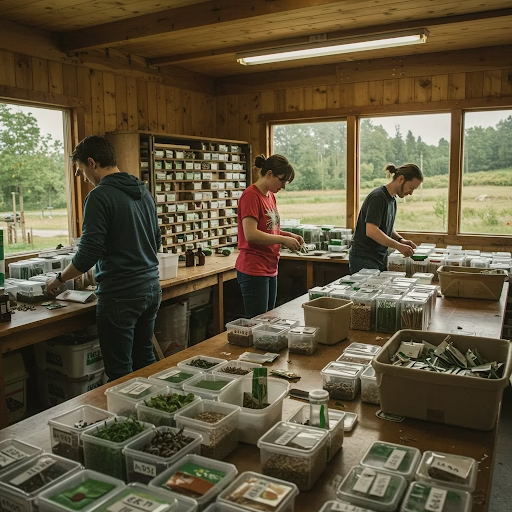
Begin by sourcing seeds from local farmers, gardeners, and indigenous communities. Choose open-pollinated varieties, as they can be saved and replanted each season without losing their genetic integrity. Store seeds in a cool, dry, and dark environment to maintain viability.
2. Organize Seed-Sharing Events
Encourage community participation by hosting seed swaps and educational workshops. These events help exchange seeds, knowledge, and gardening techniques, fostering a culture of sustainable agriculture.
Also Read: Seed bank and the future of the earth
3. Document Seed Information
Keep detailed records of each seed variety, including planting instructions, ideal growing conditions, and historical significance. Proper documentation helps future generations understand the value of each seed.
4. Partner with Local Organizations
Collaborate with schools, environmental groups, and agricultural cooperatives to expand outreach and ensure long-term sustainability. Many nonprofit organizations offer support and funding for local seed-saving initiatives.
The Future of Local Seed Banks
As industrial agriculture continues to prioritize genetically modified and hybrid seeds, local seed banks offer an alternative that promotes food sovereignty and ecological balance. By preserving diverse plant varieties, communities can cultivate a more sustainable and resilient future.
Whether you’re a gardener, farmer, or sustainability advocate, contributing to a local seed bank is a meaningful step toward protecting our planet’s agricultural diversity.