The world of dental prosthetics is evolving, and 3D printing is at the forefront of this revolution. With more accessible and affordable technology, individuals can now explore creating custom dental prosthetics in their own home labs. Whether you’re a hobbyist, a dental professional, or someone looking to take control of your own healthcare, 3D printing offers a cost-effective and highly customizable solution.
Why 3D Printing for Dental Prosthetics?
Traditionally, dental prosthetics required expensive equipment, specialized skills, and a dental lab. However, resin-based 3D printers now allow users to produce high-quality dental models, crowns, dentures, and aligners with precision and ease.
Benefits of 3D printing dental prosthetics include:
- Lower Costs – Reduce expenses compared to traditional lab-made prosthetics.
- Customization – Create tailored solutions that fit individual needs.
- Fast Turnaround – Print prosthetics on-demand without waiting weeks.
- Innovation at Home – Gain full control over the design and refinement process.
Getting Started: Essential Equipment & Materials
To begin 3D printing dental prosthetics in a home lab, you’ll need:
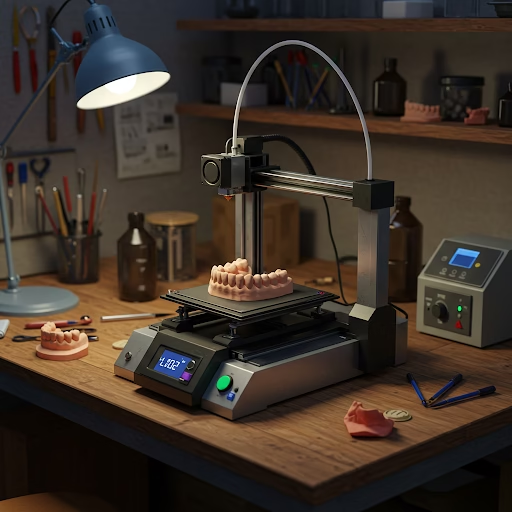
- 3D Printer – SLA (Stereolithography) or DLP (Digital Light Processing) printers offer the precision required for dental applications. Popular options include Anycubic Photon Mono X and Formlabs Form 3B.
- Dental-Grade Resin – Biocompatible, FDA-approved resins such as NextDent or SprintRay ensure safety and durability.
- Software for Design – Programs like Meshmixer, Blender, and DentalCAD help with model customization and digital sculpting.
- Post-Processing Tools – UV curing stations, isopropyl alcohol (IPA) for cleaning prints, and sanding tools for finishing.
Also Read: Trust-The Hardest Thing To Build & Easiest To Break
The 3D Printing Process for Dental Prosthetics
- Scanning & Modeling – Use a digital intraoral scanner or take a mold impression and convert it into a 3D model.
- Designing the Prosthetic – Adjust fit, thickness, and structure using CAD software.
- Printing & Curing – Slice the model, print with dental resin, and cure under UV light.
- Finishing Touches – Polish, color, and fit-test the prosthetic for a perfect result.
Optimizing Your Home Lab
To ensure efficiency and high-quality results:
- Maintain a clean workspace free from dust and contaminants.
- Use proper ventilation when handling resins.
- Regularly calibrate and maintain your 3D printer for precision.
- Follow biocompatibility and safety guidelines for dental applications.
The Future of DIY Dental Prosthetics
As 3D printing technology continues to advance, more individuals will gain access to affordable, high-quality dental care without dependency on commercial labs. Whether you’re creating crowns, retainers, or full dentures, the ability to print dental prosthetics from home opens a new realm of possibilities.
Are you ready to explore 3D printing for dental applications? Start experimenting with designs and materials today, and take the first step toward personalized dental healthcare!